Specialist for Panic, Anxiety and Nervous System Overwhelm in Liverpool, St Helens, Widnes & Online
Calm, compassionate therapy in Liverpool, St Helens, Widnes and Online that helps you understand what's happening in your mind and body - not just managing symptoms
Many people today are living in a constant state of overwhelm — struggling with anxiety, panic attacks, racing thoughts, emotional exhaustion, unhealthy coping patterns, or simply feeling stuck in survival mode.
Anxiety and overwhelm can affect every area of life — relationships, confidence, work, sleep, focus and overall wellbeing. Panic attacks can feel frightening and isolating. ADHD can create cycles of frustration and burnout. Alcohol can sometimes become a way of coping with stress, anxiety or emotional discomfort. Often these experiences are deeply connected.

Grounded, Compassionate Therapy & Coaching in Liverpool
I offer supportive, grounded counselling and coaching for people experiencing panic attacks, anxiety, nervous system overwhelm, ADHD-related challenges and alcohol-related coping difficulties. My approach is compassionate, practical and focused on helping you better understand what is happening within your mind and body, so that change begins to feel possible again.
My aim is to provide a calm, supportive space where you feel heard, understood and supported without judgement. Together we can begin to explore the patterns that may be keeping you stuck, develop healthier ways of coping, and work towards greater emotional resilience, nervous system regulation and self-understanding.
Whether you are struggling with panic attacks, chronic anxiety, overwhelm, stress, ADHD challenges or difficult coping patterns, support is available. You do not have to navigate it all alone.
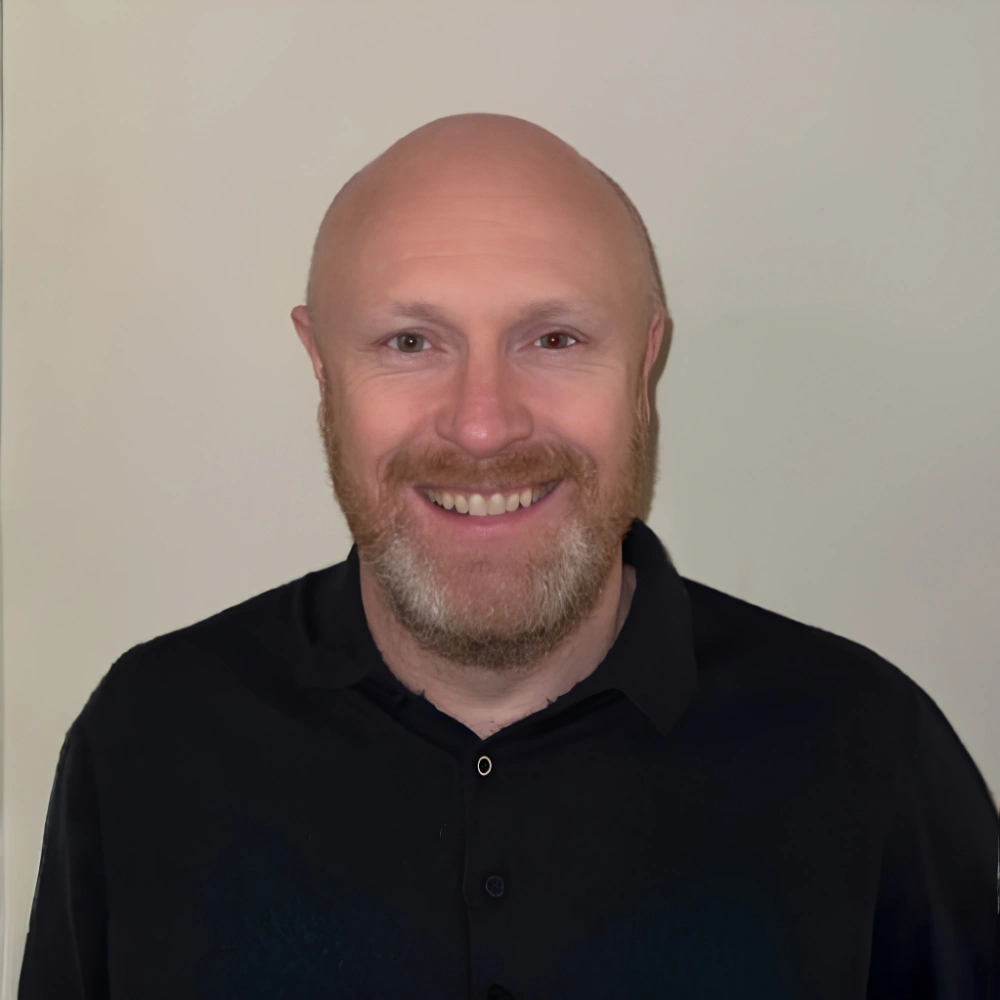
Meet Jamie Burns
I provide supportive, grounded counselling and coaching for people experiencing panic attacks, anxiety, overwhelm, ADHD-related challenges, alcohol-related coping patterns and emotional stress.
My approach is compassionate, practical and focused on helping people better understand the connection between the mind, body, nervous system and emotional wellbeing. I understand how exhausting it can feel to live in a constant state of anxiety, overwhelm or emotional pressure, and my aim is to offer a calm, supportive and non-judgmental space where clients feel heard, understood and supported.
Empathy Through Shared Experience
I have a particular interest in panic attacks, anxiety, nervous system regulation, emotional resilience and unhealthy coping patterns having experienced these issues myself. My work is focused on helping clients develop greater self-awareness, healthier coping strategies and a stronger sense of calm, clarity and control in everyday life.
I believe therapy and coaching should feel human, supportive and collaborative. Whether you are struggling with anxiety, panic, overwhelm, ADHD-related difficulties or alcohol-related challenges, support can help you better understand what is happening and begin moving forward in a healthier and more balanced way.
Qualifications & Professional Memberships
Level 5 Professional Diploma in Psychotherapeutic Counselling Practice
Level 4 Diploma in Counselling Skills and Theory
Level 3 Diploma in Hypnotherapy and Introduction to Counselling Skills
Certificate in Clinical Supervision Including Online and Telephone Working
ADHD Coaching Practitioner Certification
NCPS Professional Member (National Counselling and Psychotherapy Society)
Specialist Hub
1. Panic Attacks & Panic Disorder Counselling
Panic attacks can feel frightening, overwhelming and confusing. Many people describe them as feeling like they are losing control, having a medical emergency, or that something dangerous is happening in their body. Even when panic attacks are not physically harmful, they can have a significant impact on daily life, leading to fear of future attacks, avoidance behaviours, and ongoing anxiety.
What is a Panic Attack?
A panic attack is a sudden surge of intense anxiety or fear that can include physical symptoms such as:
- Rapid heartbeat & chest tightness
- Shortness of breath & choking sensations
- Dizziness, shaking, and sweating
- Feeling detached or unreal
These symptoms are part of the body’s natural threat response system, even when there is no real danger present.
Panic Disorder and the Fear Cycle
Panic disorder often develops when people begin to fear the panic itself. This can create a highly exhausting cycle:
How Support Can Help
Panic disorder often aaOur focus will look at:
- Understanding the mechanics of the panic cycle.
- Reducing fear of physical sensations.
- Introducing active nervous system regulation.
- Reducing anticipatory anxiety while building confidence and emotional stability.
The goal is not to eliminate anxiety completely, but to change your relationship with it so it no longer controls your life. With the right support, it is possible to reduce panic frequency, understand your triggers, and feel more confident in your body again.develops when people begin to fear the panic itself. This can create a highly exhausting cycle:
2. Anxiety & Overthinking Counselling
Anxiety often shows up as constant worry, overthinking, mental exhaustion or feeling unable to switch your mind off. For many people, anxiety is not just mental — it is also physical and emotional, affecting sleep, concentration, energy levels and overall wellbeing.
Common Experiences of Anxiety
- Racing thoughts, overthinking and rumination
- Physical tension or restlessness
- Difficulty relaxing or switching off
- Fear of future events or feeling constantly "on edge" or “wired”
- Disrupted sleep patterns
Understanding the Cycle
Anxiety is often a protective response from the nervous system. When the system becomes over-activated, it can begin to interpret everyday situations as potential threats. This can create a cycle of worry, tension, avoidance, increased sensitivity, and eventual emotional exhaustion.
Moving Forward
We work together to understand your specific anxiety patterns, reduce mental overwhelm, build grounding and regulation skills, break cycles of overthinking, and improve your day-to-day emotional resilience. The aim is to help you feel more present, calm and able to respond rather than react.
3. Health Anxiety Counselling
Health anxiety can make it difficult to switch off worries about your body or your health.
You may notice a physical sensation, pain or small change and quickly begin wondering whether something serious is wrong. You might find yourself checking your pulse, blood pressure or other symptoms, searching online for answers, asking other people for reassurance or repeatedly seeking medical certainty.
You may feel reassured after speaking to a doctor or having a test, only for another doubt to appear:
“What if they missed something?”
“What if this sensation is different?”
“What if something has changed?”
Health anxiety can also lead to avoiding exercise, medication, travel or other situations because of what you fear might happen.
Over time, a great deal of attention can become focused on monitoring your body and trying to make completely certain that you are safe.
I offer health anxiety counselling in Liverpool and online, helping you understand what is keeping the fear going and gradually build a different relationship with physical sensations, anxious thoughts and uncertainty.
Understanding the health anxiety cycle.
The sensations you experience are not imaginary.
The difficulty is often what your mind concludes those sensations mean.
You might notice your heartbeat, dizziness, a headache, discomfort or another physical sensation. A thought then follows:
“What if this is something serious?”
Your attention becomes increasingly focused on the sensation. Anxiety rises, and anxiety itself can create further physical symptoms such as a faster heartbeat, muscle tension, dizziness, sweating or changes in breathing.
Those sensations can then feel like additional evidence that something is wrong.
You may respond by checking, Googling symptoms, seeking reassurance or arranging another appointment.
This can create a cycle:
Physical sensation → frightening interpretation → anxiety → increased body awareness → checking or reassurance → short-term relief → doubt returns
The reassurance often genuinely helps in the moment. The problem is that the brain can gradually learn that you only became safe because you checked or received reassurance.
The next time uncertainty appears, the urge to check becomes even stronger.
Health anxiety can therefore become a search for complete certainty — something that is rarely possible when it comes to our health.
Therapy is not about ignoring genuine medical concerns or assuming every symptom is caused by anxiety. New or concerning symptoms should still be appropriately assessed by a healthcare professional.
The work begins when appropriate concern turns into an exhausting cycle of monitoring, checking and repeatedly trying to remove uncertainty.
How counselling can help.
We can begin by understanding exactly how health anxiety works for you.
Together, we may explore:
- the illnesses or physical sensations you fear
- catastrophic thoughts about what those sensations might mean
- body checking and monitoring
- Googling and researching symptoms
- reassurance seeking
- avoidance of exercise, medication, travel or other situations
- previous experiences of illness, loss or unexpected health events
- your relationship with uncertainty and control
From there, therapy can help you gradually change the responses that keep the fear alive.
This may involve reducing repeated checking and reassurance, learning to notice anxious thoughts without immediately treating them as evidence, changing how you respond to physical sensations and gradually returning to activities you may have started avoiding.
Where appropriate, we can also use carefully planned behavioural or exposure work to help you experience physical sensations and uncertainty without immediately needing to make the anxiety disappear.
Sessions are collaborative and practical. I may draw on talking therapy, CBT-informed approaches, psychoeducation and exposure-based work depending on what is appropriate for you.
I will not simply spend each session reassuring you that nothing is wrong. Although reassurance can feel helpful temporarily, repeatedly providing certainty can unintentionally strengthen health anxiety.
Instead, our aim is to help you move from:
“I need to make sure I am safe.”
towards:
“I can notice uncertainty without having to solve it immediately.”
The goal is not to guarantee that you will never worry about your health again. It is to help those worries become less powerful, less consuming and less able to control the way you live your life.
I offer face-to-face health anxiety counselling in Liverpool, as well as online sessions.
- Book a free 30-minute consultation
4. ADHD Counselling & Coaching
ADHD can affect more than attention — it can also impact emotional regulation, overwhelm, motivation, and daily functioning. Many people with ADHD experience cycles of overwhelm, burnout, difficulty starting or completing tasks, emotional intensity, self-criticism, and mental fatigue.
Common ADHD Experiences
- Difficulty focusing or sustaining attention
- Procrastination and task avoidance
- Emotional intensity and time management difficulties
- Burnout cycles
ADHD and the Nervous System
ADHD is often linked with nervous system dysregulation, meaning the system can move quickly between states of overstimulation and sudden shutdown. This can create a lingering sense of being “too much” or “not enough”, constantly falling behind, or being emotionally exhausted.
How Coaching Helps
We work together to understand your patterns without judgement. We will develop personalised emotional regulation strategies, reduce overwhelm and burnout cycles, build realistic structures, and improve your coping resilience. The aim is to help you understand how your mind and body work so you can navigate life with more ease.
5. Alcohol Counselling & Coaching
For some people, alcohol can become a way of coping with anxiety, stress, overwhelm or emotional discomfort. While it may provide short-term relief, it can sometimes contribute to longer-term cycles of anxiety, low mood, or emotional instability.
Understanding the Pattern
Alcohol use is often connected to stress relief, emotional avoidance, social coping, or quick nervous system regulation attempts. This is not about judgment — it is about understanding the underlying needs behind the behaviour.
Common Signs
- Drinking to manage stress, quiet overthinking, or "switch off"
- Feeling regret or shame afterwards
- Difficulty breaking existing routines
- Heightened emotional ups and downs
A Supportive, Non-Judgemental Space
We focus on safely identifying your emotional triggers, exploring coping patterns, developing healthier regulation strategies, and reducing self-criticism. The goal is not control or restriction, but deep self-understanding and gradual change that feels sustainable and realistic for you.
Sessions, Formats and Investment
Reaching out for support can feel difficult, especially when anxiety, panic or overwhelm are already taking up so much energy. My aim is to offer a calm, non-judgemental and supportive space where you can begin to feel more understood, more regulated and more in control.
Session Details
Duration: 60-minute 1:1 sessions.
Frequency: Weekly or fortnightly appointments available.
Format: Available online via secure video call (Zoom / Teams) and/or in person at my consulting rooms in Allerton (Liverpool), Widnes (Cheshire) and St Helens (Merseyside).
Tailored Plan: Flexible and supportive approach completely tailored to your unique clinical needs.
Financial Investment
Individual 60-minute Session: £60
Concessions: Reduced rates are available for Students.
Private Healthcare Insurance: Approved Counsellor for Aviva and Vitality.
Contact & Location
I offer a free initial consultation to help us explore what support you are looking for and whether we feel like the right fit to work together. If you have any questions before booking, please feel free to reach out.
(Serving Allerton and South Liverpool)
(Serving St Helens and wider Merseyside)
(Serving Widnes and the Surrounding Areas)
© Copyright 2026 for Blue Sky Counselling
powered by WebHealer